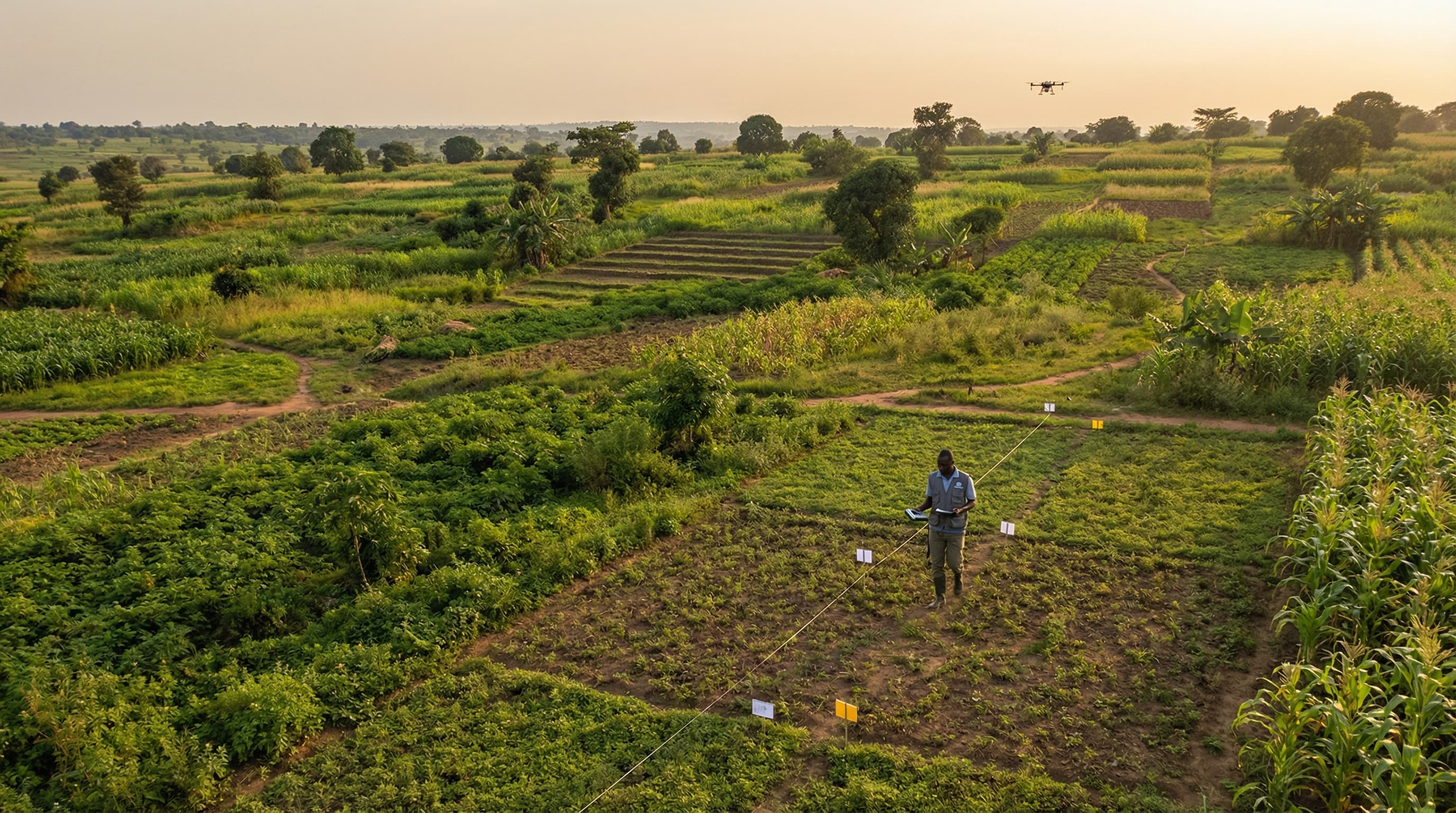
Uganda: Where It Begins
In Kamuli District, smallholder farmers are proving that regenerative agriculture works –for the climate and for their families.
Why Uganda
First-mover advantage in Africa –no scaled agricultural carbon programs yet. Government committed to climate-smart agriculture through the NDC.
Smallholder Households
Average 1-3 hectare farms
Agricultural Employment
24% of GDP, 42% of exports
Arable Land
Only 35% currently cultivated
Yield Gap
Massive unrealized potential
The Kamuli Story
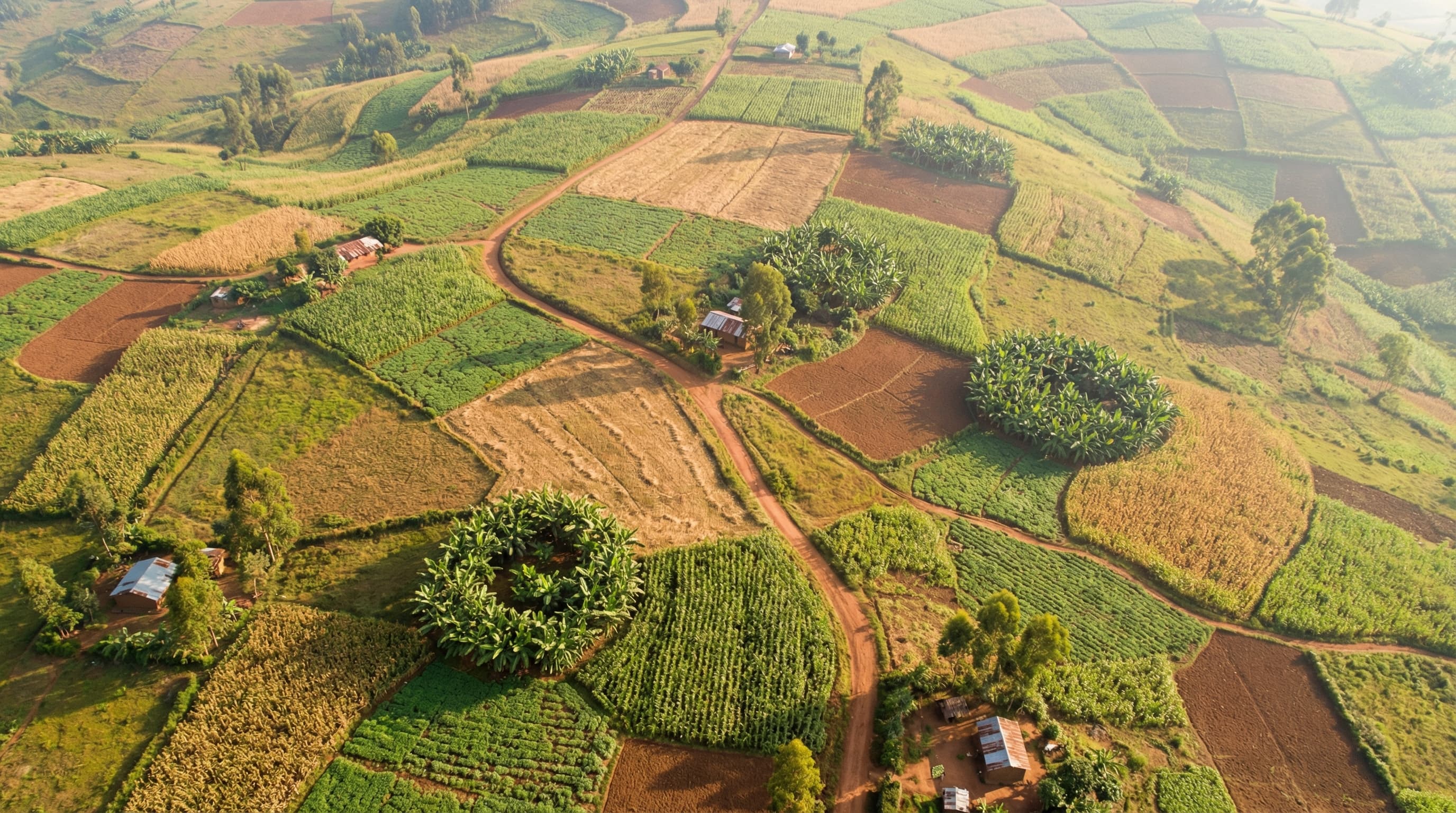
Kamuli District in eastern Uganda exemplifies both the challenge and opportunity. Years of conventional farming have depleted soils, but the region's farmers are eager to try new approaches.
In 2025, we partnered with Uganda's national agricultural research body to run formal trials across four regions, testing our bio-stimulant technology on local crops under real field conditions.
Project Timeline
Foundation
Founding team assembled, US technology partnership established
Government Trials
National research body trials across 4 regions — +17-48% yield improvement confirmed
Regulatory Approval
National standards and agricultural ministry registration in progress
Market Launch
Commercial distribution and farmer network expansion
Scale Operations
5,000+ hectares, regional distribution, carbon MRV baseline
First Carbon Credits
Verified credits issued, buyer relationships established
Trial Results
Government-validated yield improvements across four crops
| Crop | Yield Improvement | Status |
|---|---|---|
| Potatoes | +22.6% | Verified |
| Sweet Potatoes | +17.7% | Verified |
| Maize | +17-48% | Govt Verified |
| Peanuts | +6.2% | Global trials |
Our Uganda Partners
Government Research
National agricultural research institution –providing technical guidance and trial oversight
University Research
Academic partnership on soil science and farmer training
Local Cooperatives
Farmer-owned groups that anchor our community engagement
What's Next
Farmers by 2027
New Districts
Hectares Target